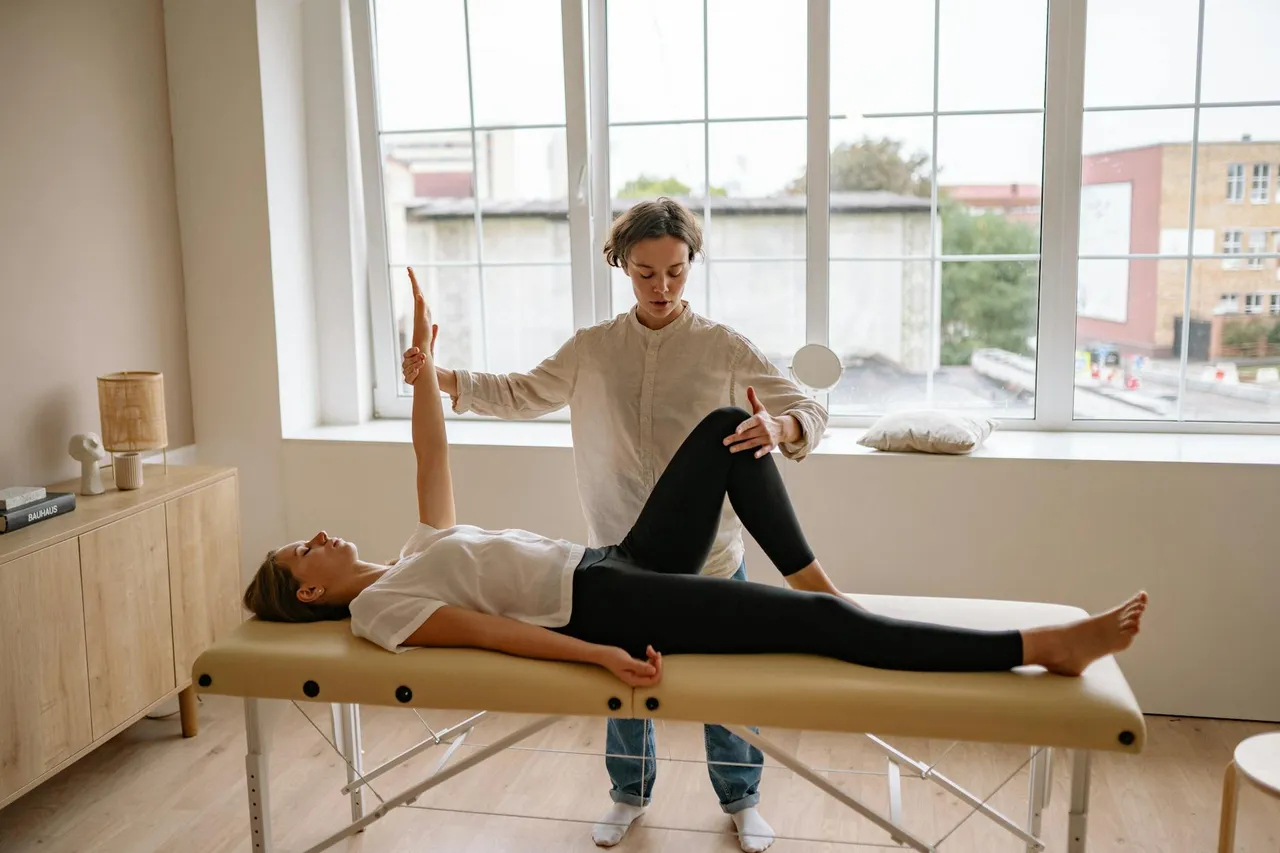
Smart Stretching: Dynamic vs. Static for Injury Prevention and Better Performance
TL;DR: Understanding when and how to stretch is crucial for preventing injuries and enhancing physical performance. Dynamic stretching is best before activity to prepare muscles, while static stretching is most effective after exercise to improve flexibility and aid recovery. Applying these smart stretching techniques can significantly benefit your active lifestyle in Warren and Oak Park.
Many of us grew up with the advice to stretch before any physical activity. However, the science of stretching has evolved. Today, experts recognize that the type of stretch and when you perform it makes a significant difference in its effectiveness for injury prevention and performance enhancement. For residents of Warren and Oak Park seeking to move better and feel better, understanding smart stretching is a valuable tool.
What is Dynamic Stretching?
Dynamic stretching involves active movements that take your joints and muscles through their full range of motion. Unlike static stretching, where you hold a position, dynamic stretches are fluid and repetitive. Think of leg swings, arm circles, or torso twists. These movements mimic the actions you will perform during your workout or sport.
Dynamic stretching offers several key benefits. It warms up muscles, increases blood flow, and activates the nervous system, preparing your body for activity. This type of stretching can acutely improve power, sprint speed, jump height, and overall athletic performance. It helps your muscles get ready for repetitive impact, which can reduce the risk of common injuries like shin splints, hamstring strains, and knee pain, according to Cleveland Clinic Health Essentials.
When to Use Dynamic Stretching
The optimal time for dynamic stretching is before any physical activity. Whether you are about to go for a run, play a sport, or engage in a strength training session, a dynamic warm-up is essential. It signals to your muscles and joints that it is time to work, improving their readiness and responsiveness.
By incorporating dynamic stretches into your pre-activity routine, you can enhance your movement efficiency and reduce the likelihood of muscle pulls or strains during your workout. These stretches should feel controlled and progressive, gradually increasing your range of motion.
What is Static Stretching?
Static stretching involves holding a stretch for a sustained period, typically 20-30 seconds, without movement. Examples include touching your toes, holding a hamstring stretch, or a triceps stretch. The goal is to lengthen muscles and increase flexibility over time.
This type of stretching is effective for increasing muscle length and joint range of motion. It plays a vital role in enhancing overall flexibility and can aid in muscle relaxation after a workout. For instance, holding a static stretch after exercise can help prevent post-workout stiffness by helping muscles return to their pre-exercise length, as explained by Central Ohio Spine and Joint.
When to Use Static Stretching
Static stretching is most beneficial after physical activity or as part of a dedicated flexibility routine. Performing static stretches when your muscles are warm allows for greater extensibility and can lead to more significant improvements in range of motion. It is an excellent way to cool down, promote recovery, and address any tightness developed during your activity.
Incorporating static stretching post-workout can also aid in muscle recovery and reduce delayed onset muscle soreness (DOMS). It is also highly effective for improving long-term flexibility and joint health, which are crucial for maintaining an active and pain-free lifestyle.
The Science Behind the Timing: Why It Matters
Recent research, including a 2019 study, highlights that prolonged static stretching before activity can actually have negative effects on performance. It can reduce maximal strength, power, and overall performance. Even short static holds, around 60 seconds, have been shown to reduce power output, slow reaction times, and decrease explosiveness, as summarized in research findings from Consensus. This is because static stretching can temporarily reduce muscle stiffness, which is necessary for generating force.
Conversely, dynamic stretching prepares the muscles for the demands of exercise without compromising power. For injury prevention, particularly before activities like running, dynamic stretching is more beneficial than static stretching, according to Princeton Sports and Family Medicine. By choosing the right type of stretch at the right time, you optimize your body’s readiness and recovery.
Integrating Smart Stretching into Your Routine
Adopting smart stretching techniques is a simple yet powerful way to support your physical health. Start by assessing your current activity level and goals. If you are regularly engaging in exercise, prioritize a dynamic warm-up before and a static cool-down after.
For those in Warren and Oak Park managing pain or recovering from an injury, specialized stretching and flexibility programs are often part of a broader treatment plan. Understanding your body’s specific needs is key. If you are struggling with persistent pain, limited movement, or want to optimize your injury prevention strategies, Comprehensive Spine & Sports Center can help. We offer personalized physical therapy and chiropractic care designed to address your unique health goals. Our experts can guide you through proper stretching techniques and develop a comprehensive plan for your well-being. Learn more about our chiropractic care and how we can support your journey to better health.
Beyond Stretching: Comprehensive Care at Comprehensive Spine & Sports Center
While smart stretching is a vital component of a healthy, active lifestyle, it is often most effective when integrated into a broader wellness strategy. At Comprehensive Spine & Sports Center, we believe in a multi-specialty approach to pain relief and wellness. Our team in Warren and Oak Park combines chiropractic care and physical therapy to address the root causes of musculoskeletal issues. From posture correction to therapeutic exercises, we work to restore function, reduce pain, and improve your overall quality of life. Explore more articles on health and wellness on our articles listing page.
Take the Next Step Towards Better Movement
Proper stretching is a cornerstone of injury prevention and enhanced performance. By understanding the science behind dynamic and static stretching, you can make informed choices that benefit your body and support your active lifestyle. Whether you are an athlete or simply looking to move more comfortably, incorporating smart stretching will make a noticeable difference. Our team at Comprehensive Spine & Sports Center is here to provide expert guidance and personalized care, helping you achieve your health and wellness goals. Take the next step towards better movement and less pain. Schedule a consultation with Comprehensive Spine & Sports Center today.
References
- Dynamic vs. Static Stretching - Cleveland Clinic Health Essentials
- What Are The Latest Findings On The Benefits Of Dynamic Versus Static Stretching For Flexibility And Injury Prevention? Consensus
- Understanding the Difference Between Static and Dynamic Stretching: When and Why to Use Each - Central Ohio Spine and Joint
- Static vs. Dynamic Stretching: Which is Better for Runners? - Princeton Sports and Family Medicine, P.C.
This article is for informational purposes only and is not a substitute for professional medical advice, diagnosis or treatment. Always consult with a qualified healthcare provider about your individual needs before starting any new treatment or exercise program.