Your weight and muscle mass play a far more critical role in musculoskeletal health than many people realize. With over half of U.S. adults living with a musculoskeletal condition and the increasing use of GLP-1 weight-loss medications, understanding the connection between weight, muscle, and joint pain is more important than ever. At Comprehensive Spine & Sports Center in Warren and Oak Park, MI, we help patients manage these interconnected health challenges with chiropractic care and physical therapy.
TL;DR: Excess weight stresses your joints and spine, while GLP-1 weight-loss medications can cause significant muscle loss that worsens musculoskeletal problems. Comprehensive Spine & Sports Center in Warren and Oak Park offers physical therapy and chiropractic care to build strength, protect joints, and support sustainable weight management.
How Does Excess Weight Affect Your Joints and Spine?
Excess weight places significant stress on your musculoskeletal system, including your joints, spine, and connective tissues. According to the World Health Organization, musculoskeletal disorders are the leading cause of disability worldwide, and obesity significantly increases both the risk and severity of these conditions.
Research consistently shows a strong link between obesity and musculoskeletal pain. The National Institute of Arthritis and Musculoskeletal and Skin Diseases (NIAMS) notes that being overweight is one of the strongest risk factors for osteoarthritis, particularly in the knees and hips. Carrying extra weight accelerates cartilage wear, inflames joints, and alters your biomechanics, leading to chronic pain.
Can GLP-1 Medications Cause Muscle Loss?
GLP-1 medications have gained widespread attention for their effectiveness in weight loss. The KFF Health Tracking Poll estimates that approximately 12% of U.S. adults currently take a GLP-1 medication. While these medications offer significant benefits for weight management, there is a critical side effect to consider: muscle loss.
Weight loss from any method can reduce muscle mass alongside fat. With GLP-1s, this muscle loss can be significant. Reduced muscle strength increases the risk of falls, compromises joint stability, and can worsen existing musculoskeletal conditions. For those using GLP-1s, preserving and building muscle through targeted exercise is essential.
If you are taking a GLP-1 medication and experiencing joint pain or muscle weakness, Comprehensive Spine & Sports Center can help. Contact our Warren or Oak Park office for a personalized evaluation.
How Does Exercise Protect Your Joints During Weight Loss?
To counteract muscle loss, especially when using GLP-1 medications, increasing physical activity is crucial. The American College of Sports Medicine recommends combining aerobic exercise with resistance training to preserve lean muscle mass during weight loss.
Regular, tailored exercise helps to:
- Support Joints: Strong muscles act as shock absorbers, protecting your joints from impact and daily stress.
- Improve Stability: Enhanced muscle mass improves balance and coordination, reducing the risk of falls and injuries.
- Reduce Pain: Consistent movement decreases inflammation and improves circulation, often leading to significant pain reduction over time.
For those in Warren and Oak Park, MI, incorporating regular low-impact exercise like walking, swimming, or yoga is a great start. Strength training is vital for building and maintaining muscle mass. Our physical therapy programs provide tailored exercise plans designed for your specific needs.
What Non-Surgical Solutions Does Comprehensive Spine & Sports Center Offer?
Whether you are actively managing your weight, concerned about muscle loss, or aiming for better musculoskeletal health, non-surgical care offers powerful solutions.
- Chiropractic Care: Our chiropractic care focuses on spinal alignment and nervous system function. Proper alignment reduces stress on joints, improves posture, and enhances your body’s natural healing abilities. The Mayo Clinic confirms that chiropractic adjustments are effective for many musculoskeletal conditions.
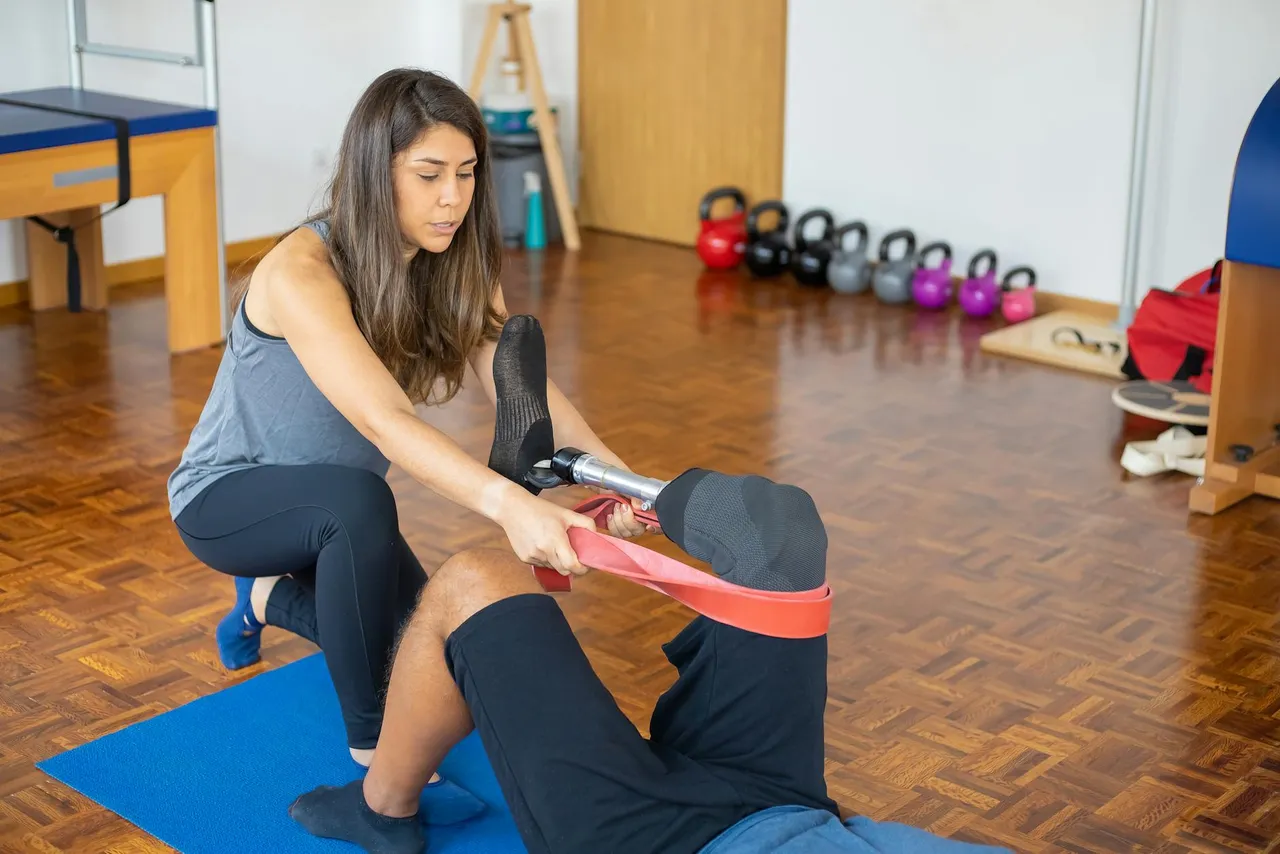
- Physical Therapy: Our physical therapists develop individualized exercise programs to strengthen weakened muscles, improve flexibility, and correct movement patterns. For patients on GLP-1s, physical therapy is essential to mitigate muscle loss and build functional strength.
Both approaches are evidence-based and support long-term wellness without surgery or heavy medication.
What Holistic Strategies Support Musculoskeletal Health?
Optimizing musculoskeletal health requires a comprehensive approach beyond treating symptoms alone:
- Anti-Inflammatory Diet: Prioritize whole foods and limit processed items. The NIH National Center for Complementary and Integrative Health notes that dietary changes can reduce systemic inflammation and support joint health.
- Regular Low-Impact Exercise: Consistent movement maintains joint stability and builds muscle.
- Strength Training: Exercises that build and maintain muscle mass are crucial for joint protection.
- Stretching and Recovery: Regular stretching improves flexibility, reduces stiffness, and prevents overuse injuries.
By integrating these strategies with professional non-surgical care, you can achieve sustainable pain relief and improved mobility.
Ready to Take Control of Your Musculoskeletal Health?
Understanding the link between your weight, muscle mass, and musculoskeletal health empowers you to make informed decisions. Comprehensive Spine & Sports Center is dedicated to helping you achieve your wellness goals with expert chiropractic care and physical therapy tailored to your individual needs.
Learn more about our practice or browse our articles for more health insights. If you have questions about managing pain or optimizing your movement, contact us today. Call our Warren office at (586) 486-5162 or Oak Park at (248) 268-1768 to get started. You can also complete new patient forms online before your first visit.
References
- World Health Organization. “Musculoskeletal Conditions.” https://www.who.int/news-room/fact-sheets/detail/musculoskeletal-conditions
- National Institute of Arthritis and Musculoskeletal and Skin Diseases. “Osteoarthritis.” https://www.niams.nih.gov/health-topics/osteoarthritis
- KFF Health Tracking Poll. “GLP-1 Medication Use Among Adults.” https://www.kff.org/health-costs/poll-finding/kff-health-tracking-poll-may-2024/
- American College of Sports Medicine. “Physical Activity Guidelines.” https://www.acsm.org/education-resources/trending-topics-resources/physical-activity-guidelines
- Mayo Clinic. “Chiropractic Adjustment.” https://www.mayoclinic.org/tests-procedures/chiropractic-adjustment/about/pac-20394534
- NIH National Center for Complementary and Integrative Health. “Anti-Inflammatory Diets.” https://www.nccih.nih.gov/health/anti-inflammatory-diets